Distinguish between the three costs
People often use “repairing water damage” to mean several things in the same conversation. But finding the source, repairing the leak and restoring walls or floors are three separate costs.
Before comparing figures, ask which cost they refer to. A leak detection quote does not necessarily include the work that follows. Similarly, approval to cover the damage does not necessarily answer every question about repairing the pipe.
Service Public explains that cover and exclusions depend on your policy. Having home insurance is therefore not enough to guarantee full reimbursement.
Who authorises leak detection?
Describe the situation to your insurer: whether the property is occupied or vacant, whether you are the tenant or owner, whether neighbours are affected and whether communal areas may be involved. In a jointly owned building, different insurers may be responsible for arranging leak detection depending on the circumstances. The building's managing agent (syndic) can help when communal access or pipework is involved.
Ask for a named contact, claim reference and the instructions that apply. This avoids the tenant, owner and managing agent each assuming someone else has already booked a contractor.
“Who should book leak detection for my claim, and which document should I send you before arranging an appointment?”
Five answers to get before booking
- The contractor: can you appoint a company of your choice, and under what conditions?
- The budget: which costs, limits and excesses apply to leak detection?
- Payment: do you need to pay upfront, and who should the invoice be addressed to?
- The report: which documents are needed to process the claim?
- Next steps: what procedure should you follow for repairs and restoration work?
Keep the written response with the quote. It will be more useful than a general statement on a website, including ours.
What a report can provide
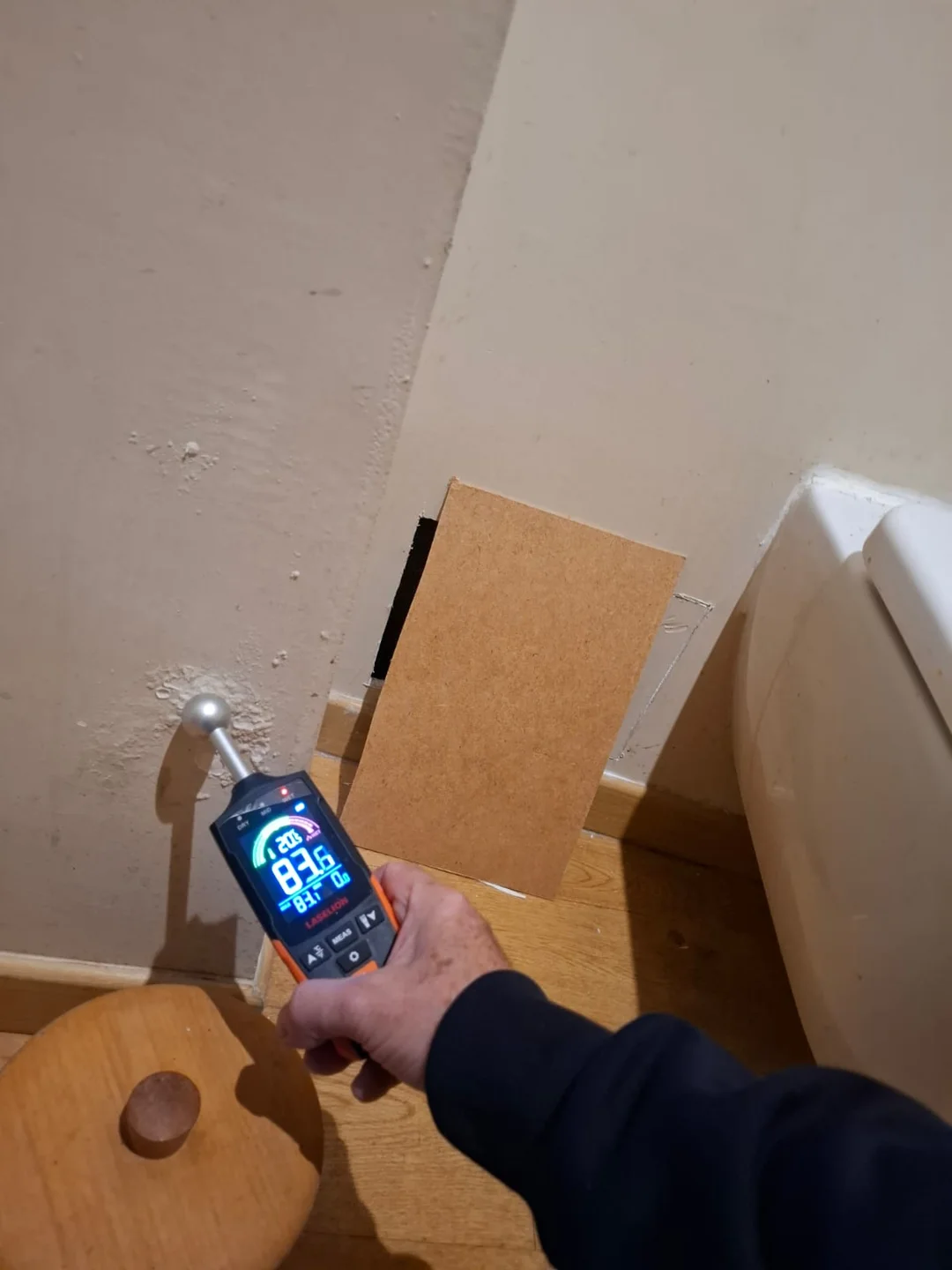
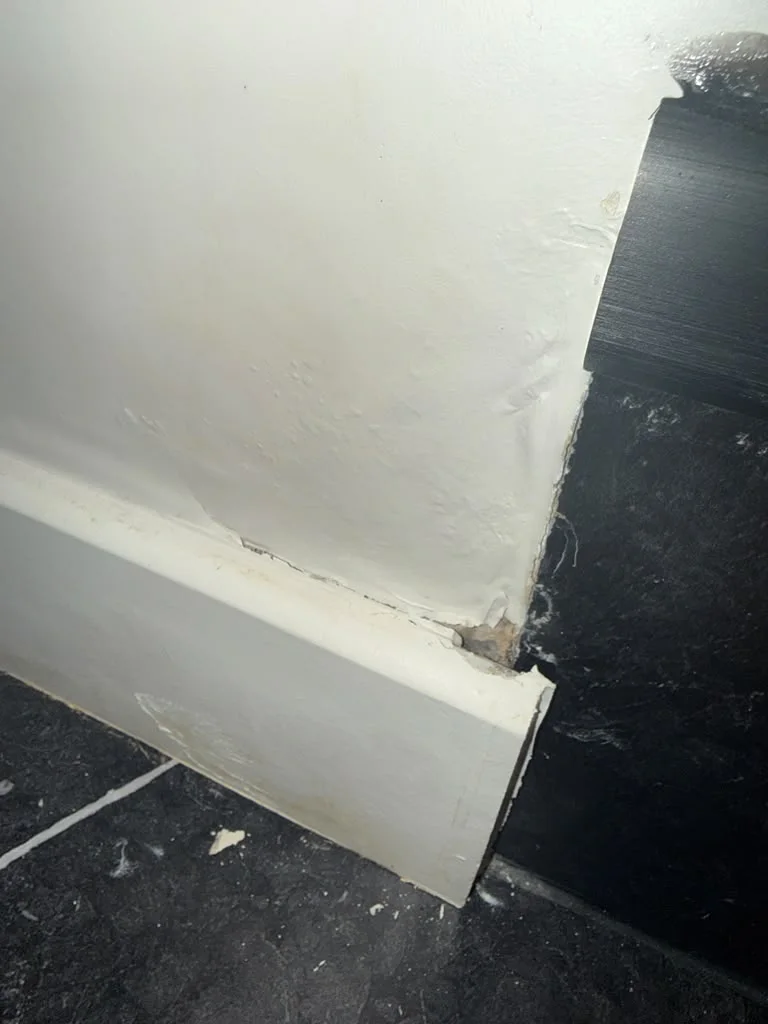
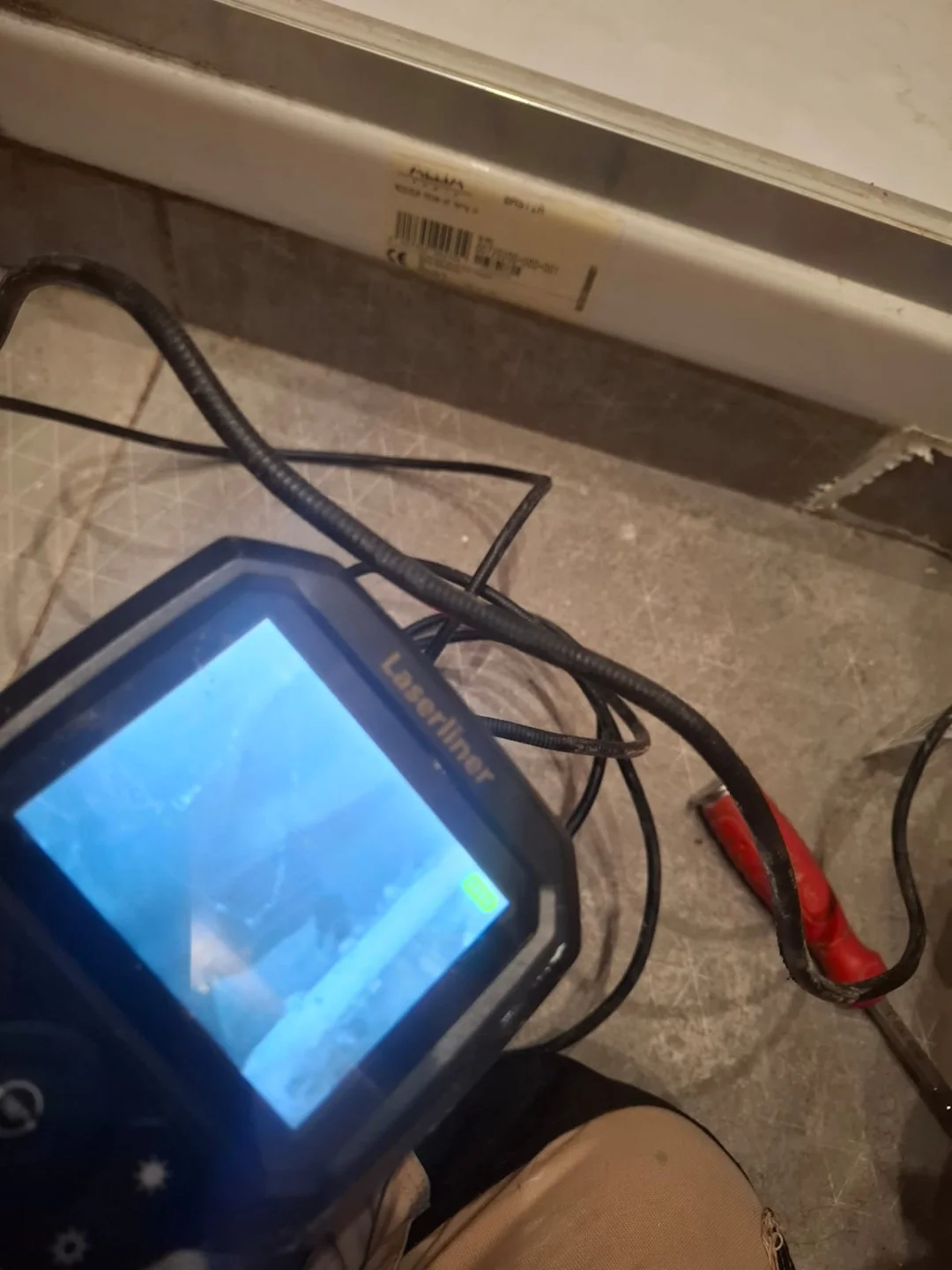
The report describes the context, areas visited, checks and observations. It includes relevant photos, conclusions and any further investigations needed. When the source is located, it provides the reference points needed to understand where the problem is.
This is a technical document. It does not replace the insurer's policy assessment or a decision on compensation. A good conclusion also states what could not be checked: a locked flat or an inaccessible area may limit the investigation.
To see how this information is presented, read our anonymised example of a leak detection report.
How our team can help
Fuites Détectives aims to provide an illustrated report within 24 hours of the inspection. Tell us from the outset who should receive it and whether your insurer or loss adjuster needs anything specific.
We can also discuss arrangements that may let you wait for reimbursement before paying. This option must be confirmed in writing for your claim; it does not automatically guarantee insurance cover.
You can also prepare the leak detection quote and arrange the access needed. If water is still flowing, tell us immediately: limiting damage and progressing the claim both need prompt attention.
To check the claim procedure
Need leak detection in Paris or the inner suburbs?
Our support with your insurance claim ↗