Take meter readings under the right conditions
A moving meter means water is flowing. First, though, check that normal water use does not explain it. A toilet cistern refilling, a running dishwasher or an automatic appliance can affect what you see.
Choose a time when no water use is planned. Photograph every digit on the meter and note the time. Take another reading after a period without using any water. Suez suggests comparing readings before bed and on waking, provided no appliance or occupant has used water in between.
If the reading has changed, you have something concrete to share. If it stays the same during this test, that does not rule out an intermittent leak, such as a waste pipe that only leaks when the shower is used.
Start with what you can access
Look at the plumbing fixtures and connections you can see without taking anything apart: under the sink, behind accessible furniture, around an appliance or near the toilet. A cistern that lets water trickle into the bowl can be easy to miss while using water continuously.
Also note how the water heater and any automatic appliances are operating. Never block a safety device or force a stuck valve. The aim is to record the signs, rather than dismantle the system to carry out a test.
Take a clear photo of the meter reading and record the time, then a wider view showing its location. In an apartment building, this also helps check which home or system the meter serves.
In an apartment building, look beyond your own home
The leak may be in a basement or along pipework running through shared areas. Seeing no water inside your apartment is therefore not enough to rule out a problem.
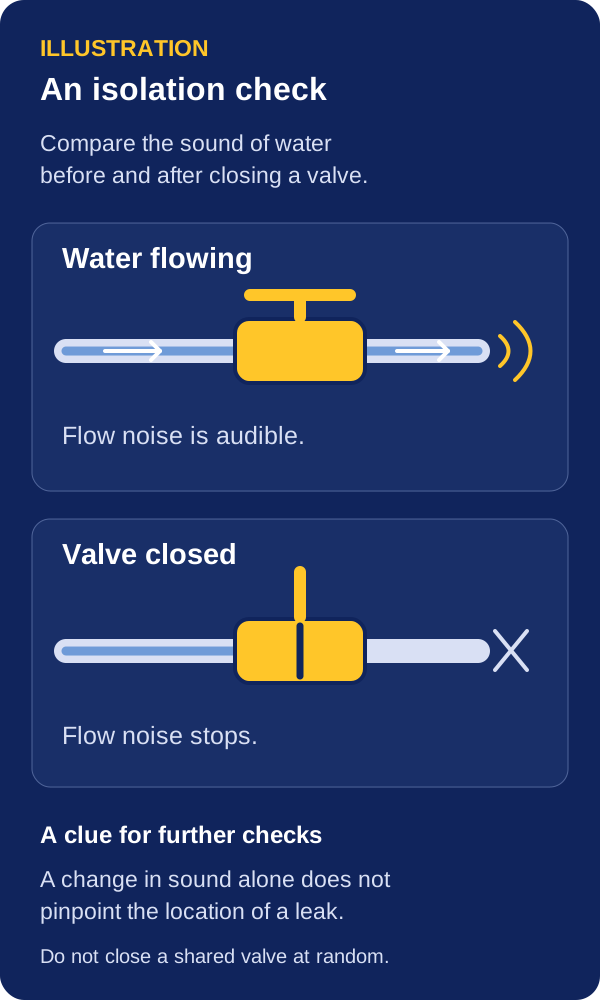
If several meters are grouped together, check their labels with the property manager or syndic, the manager appointed for the co-owned building. Do not shut off a shared valve at random. Arranging access to the meter, basement and relevant service shafts may avoid a second visit.
Prepare for the investigation before choosing equipment
Send both readings, the period covered by the bill and any recent changes in water use: a new occupant, a long absence, building work or a new appliance. This helps distinguish an explainable increase from an issue that needs investigating.
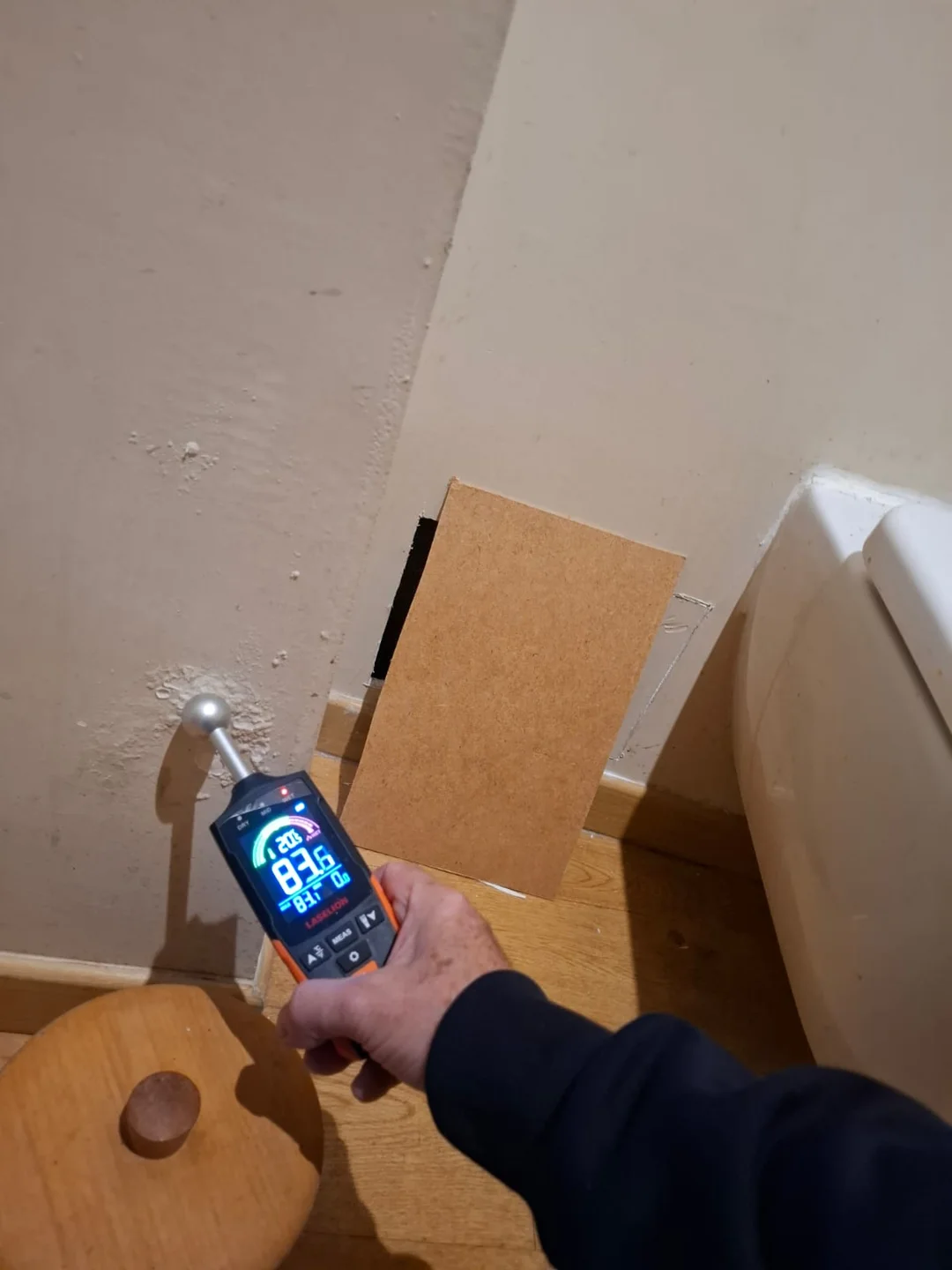
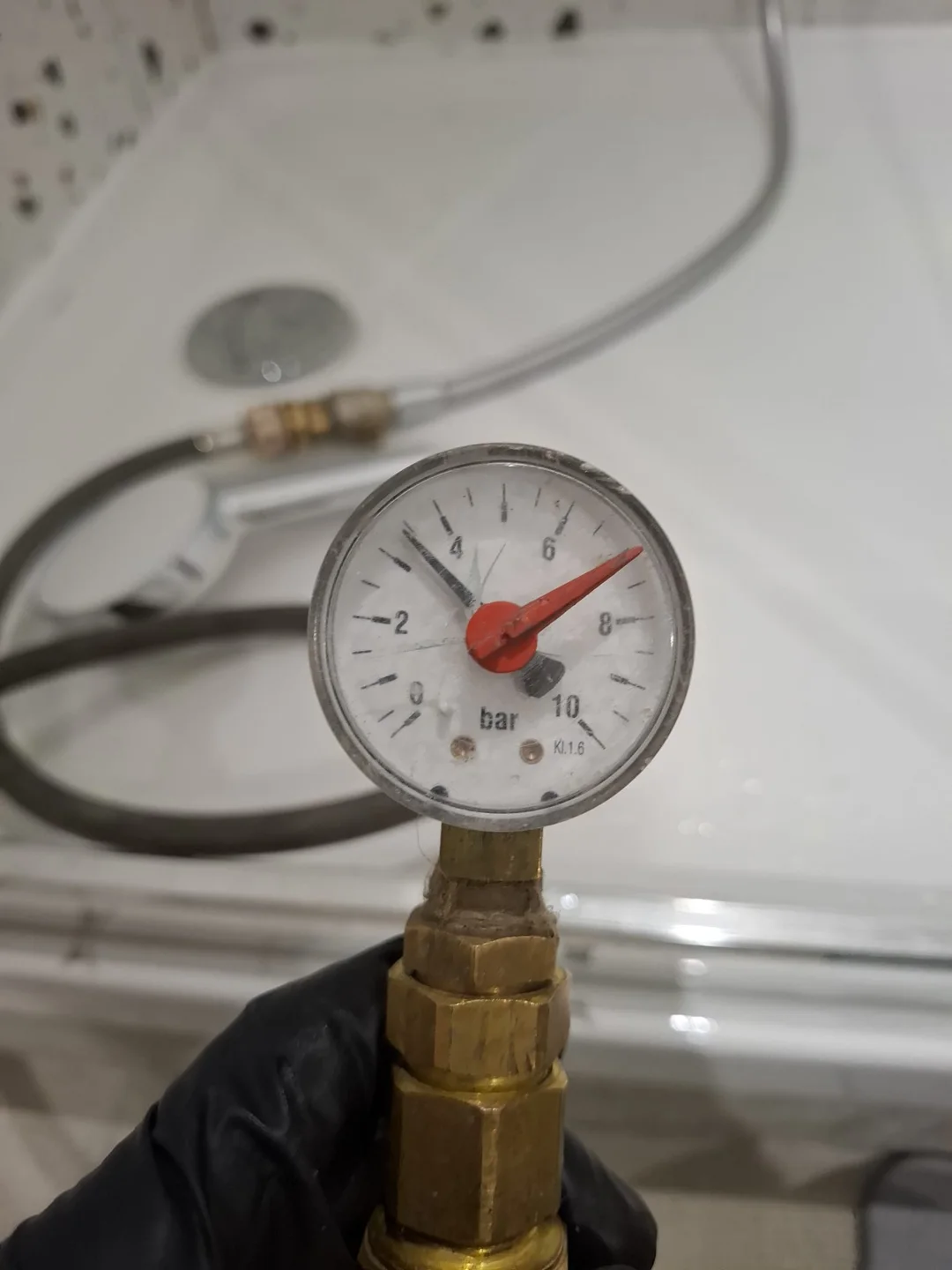
The next steps depend on the pipework and available access. A professional may test individual sections, measure pressure, check moisture levels or use thermal imaging where appropriate. At Fuites Détectives, we choose methods to suit the investigation; we do not charge for them as a list of separate devices.
Keep a record after the visit
Keep the meter readings taken before and after the repair, the report and the invoice for the work. Then check your water use under comparable conditions. If it remains unusually high, these records mean you will not have to start from scratch.
For an unusually high bill, also contact your water supplier with the documents you have. Queries about the bill are separate from the technical investigation of the leak.
To check the claim procedure
If a seal, connection or pipe has been identified as the source, see the options for repairing a located leak and the checks to make afterwards.
Need leak detection in Paris or the inner suburbs?
Investigate unusually high water use ↗