Ask for a clear initial description
“There’s water in the apartment” can mean very different things. To arrange the next steps remotely, start with three details: where the water appears, when it started and whether it is still flowing.
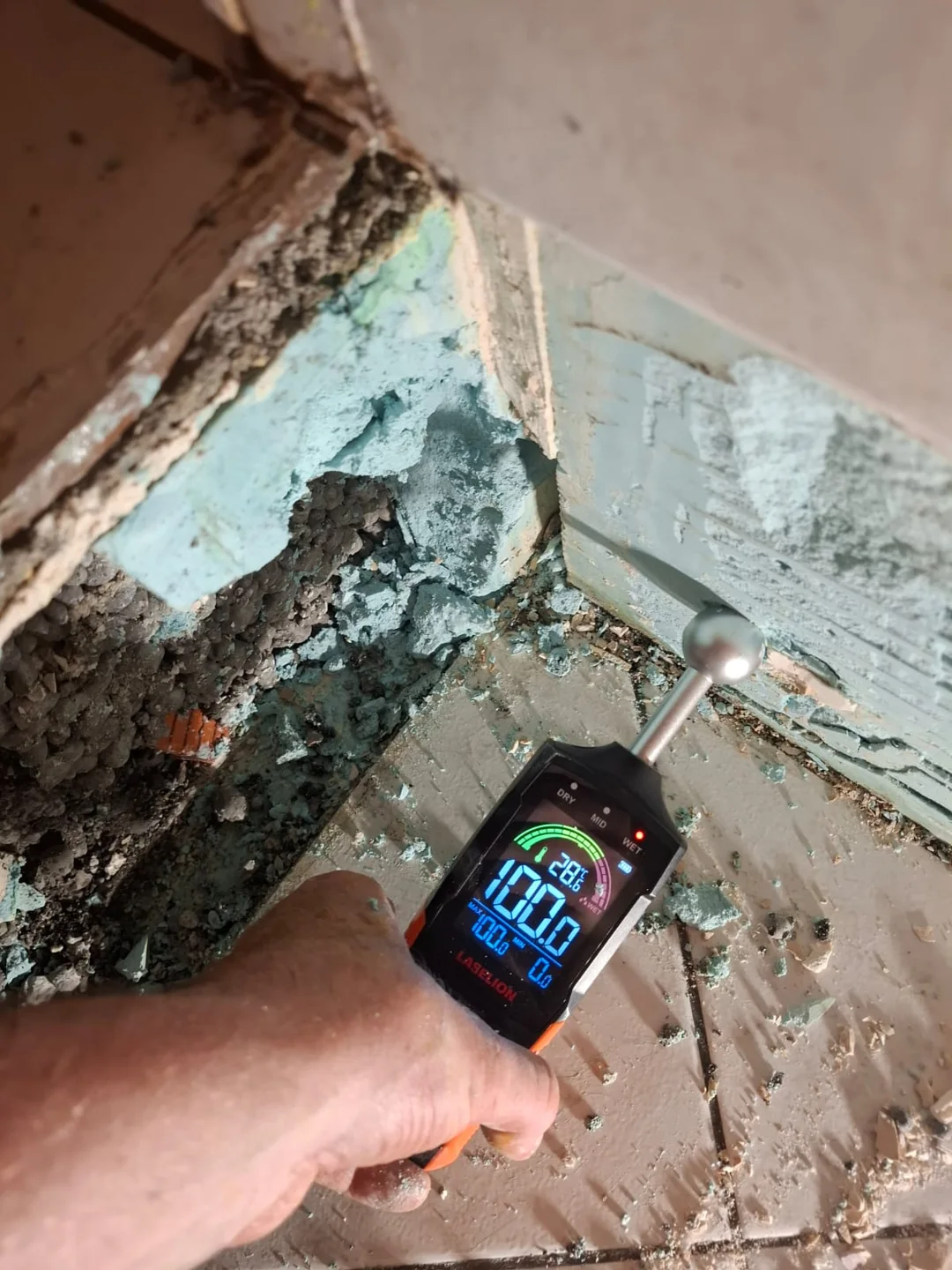
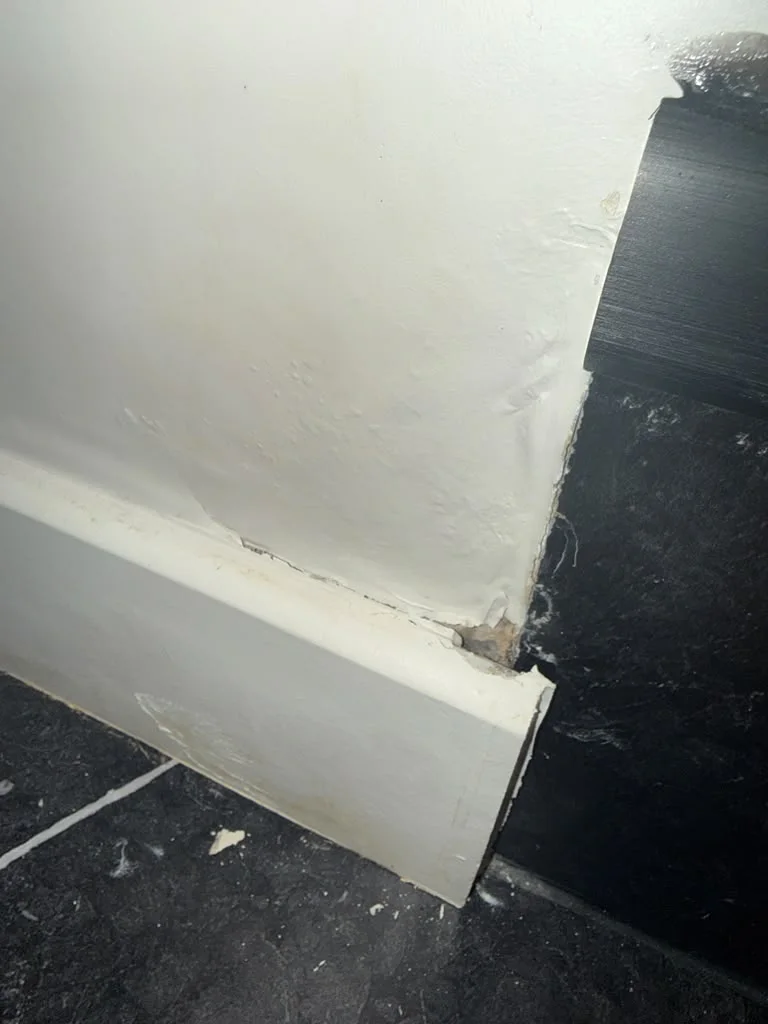
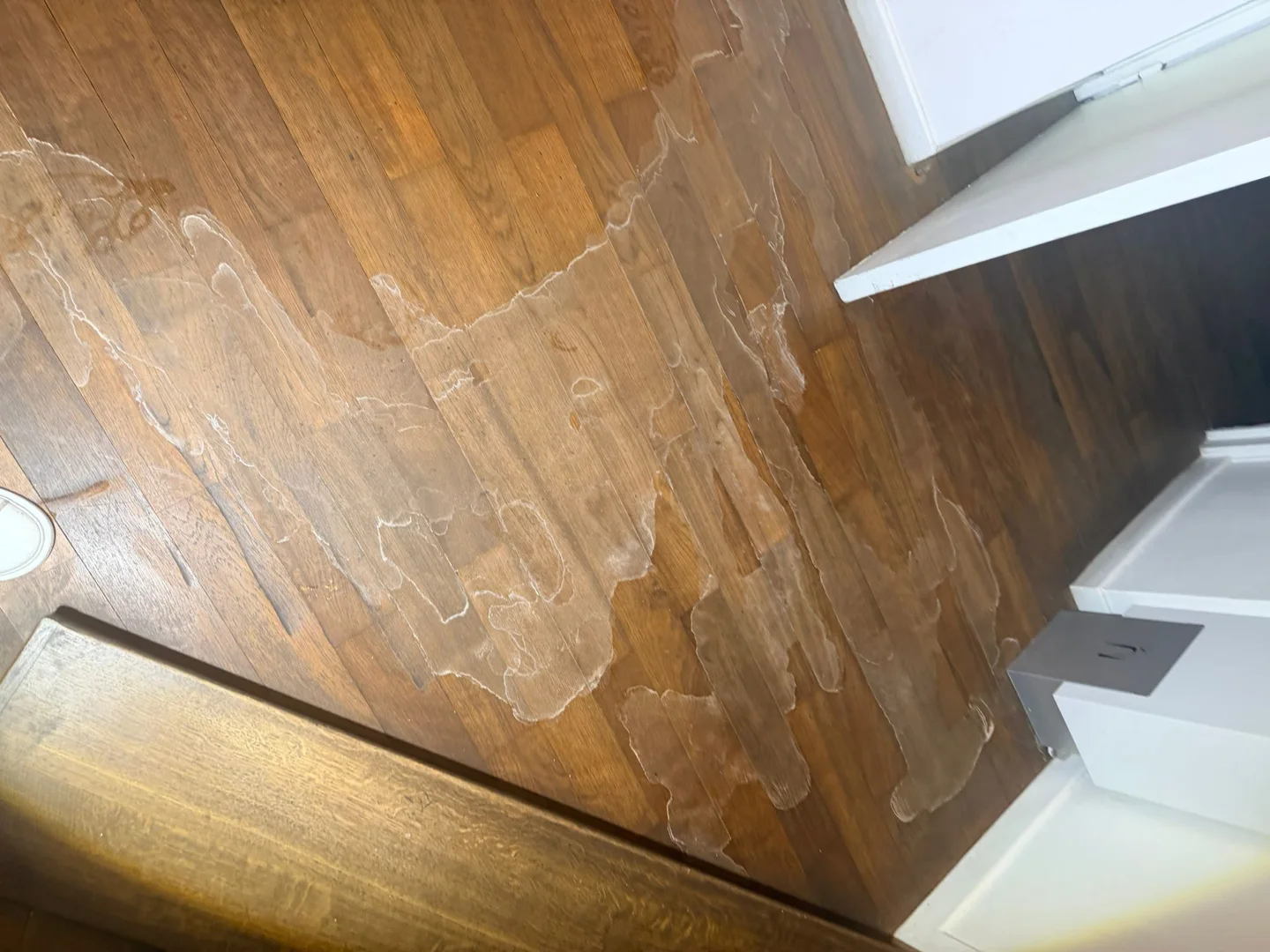
Ask for a photo of the room and a close-up of the marks. Check whether a neighbour is affected, whether any plumbing fixture was in use when the problem was reported and whether anyone has already attended. This gives you a starting point without asking the tenant to diagnose the problem themselves.
If there is a danger, making the situation safe remains the priority. Do not ask the occupant to dismantle equipment or touch wet electrical installations to gather more information.
Appoint an on-site contact
Your contact could be the tenant, property manager or someone who has the keys. They need to know the appointment time and which areas to unlock. If access to a basement or neighbouring home is needed, arrange this with the people concerned.
Also specify who receives the quote and who can accept it. The person opening the door is not necessarily the person commissioning the work. An opening or further investigation should not depend on obtaining last-minute authorisation.
Agree a clearly defined scope of work
The first aim is to find the source and explain the findings. Repairs follow, with a separate quote. This allows you to make informed decisions from a distance.
At Fuites Détectives, we adapt our methods to each situation. The investigation quote states, among other things, whether an opening is planned. You can find guide prices in our guide to understanding the quote.
The address and affected rooms, photos, the occupant’s contact details, access arrangements, details of previous work and who should receive the report. Include any requirements from the letting agent or the syndic, the manager of the co-owned building, if they are involved.
Use the report to decide what happens next
A series of photos without an explanation is not enough when you are managing a property remotely. The report should explain what was checked, what was found and what remains uncertain. Pay particular attention to the conclusions and any access limitations.
If a repair is proposed, ask what it covers and what further work may be needed on walls, floors or finishes. Repairing a pipe does not mean the wall or floor can be restored immediately. Coordinate this stage with the contractors and, for the insurance claim, with your insurer.
A CASE FROM THE FIELD
Finding the source does not mean the repair is complete
In one case, moving appliances and a shelf provided access to a concealed plumbing manifold. A loose nut and worn seal were identified. The report then recommended repairing the connection and checking the installation.
The report did not record the repair as completed. When managing the property remotely, ask a precise question: “What was done during this visit, and what still needs to be commissioned?” This helps arrange access and further work without confusing diagnosis with completion.
Anonymised case adapted from one of the team's inspection reports.
Understand the report’s findings & recommendations ↗Prepare to re-let the property step by step
For an owner or letting agent, the aim is to get the property ready to let again promptly. Arranging keys, coordinating with the tenant and sharing the findings therefore matter just as much as the technical appointment.
If you manage several properties, keep a separate file for each address, with dates, reports, quotes and the next action. This avoids mixing up photos or commissioning a visit without knowing what has already been checked.
The team can arrange the visit independently within the agreed scope. The aim is to give you clear information about the property so you can make the necessary decisions from a distance.
Need leak detection in Paris or the inner suburbs?
Our service for landlords & letting agents ↗